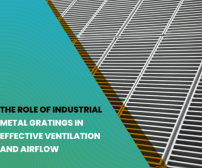



Metal gratings are essential safety features in industries and warehouses, providing safe and reliable walkways, platforms, and flooring. They are used for various applications such as drainage covers, pedestrian safety barriers, and ventilation grilles. Metal gratings are designed to withstand heavy loads and harsh environments, making them an ideal choice for industrial settings.
Proper installation of metal gratings is crucial for safety and durability. In this blog, we will discuss the steps required to install metal gratings in industries and warehouses, along with pre-installation preparations and post-installation maintenance.
Pre-Installation Preparations
Before installing metal gratings, it is essential to take safety precautions to prevent injuries or accidents. The first step is to conduct a safety audit of the installation site and identify any potential hazards. Protective gear, such as safety glasses, gloves, and helmets, should be worn at all times during installation.
The required tools and equipment for installation include a measuring tape, circular saw, drill, wrench, and level. It is also important to have a lifting device, such as a forklift or crane, to move the heavy gratings.
Proper handling and storage of metal gratings are critical to ensure their integrity and durability. The gratings should be stored in a dry and covered area to prevent rust or corrosion. The gratings should be handled with care and lifted using proper lifting techniques to prevent damage.
Steps in Installing Metal Gratings
The following steps outline the proper installation process for metal gratings:
Measuring and Cutting the Grating
Measure the installation area and the metal grating to ensure a proper fit. Use a circular saw to cut the grating to the required size.
Marking the Position of the Grating
Use a chalk line to mark the position of the grating on the support structure. The chalk line ensures a straight line and helps with the alignment of the gratings.
Placing the Grating in Position
Carefully position the metal grating on the support structure. Use a lifting device, such as a forklift or crane, to move the heavy gratings.
Fixing the Grating to the Support Structure
Secure the metal grating to the support structure using appropriate fasteners, such as screws, bolts, or clips. Make sure the fasteners are tightened to the correct torque to prevent any movement or instability.
Checking for Levelness
Use a level to ensure the metal grating is level and even. Any unevenness can cause slips, trips, and falls.
Post-Installation Maintenance
Regular maintenance of metal gratings is essential to ensure their longevity and safety. The following maintenance tasks should be performed:
Regular Cleaning
Metal gratings should be cleaned regularly to remove dirt, debris, and other contaminants. Use a stiff brush or pressure washer to clean the gratings thoroughly.
Inspection and Repair
Inspect the metal gratings periodically for signs of damage, corrosion, or wear. Replace any damaged or worn gratings immediately to prevent accidents or injuries.
Lubrication
Lubricate the metal gratings periodically to prevent rust or corrosion. Use a lubricant that is suitable for the type of metal used in the gratings.
Conclusion
In conclusion, the proper installation and maintenance of metal gratings are crucial for safety and durability. Taking appropriate safety precautions, using the correct tools and equipment, and following the proper installation process will ensure the metal gratings provide reliable and safe walkways, platforms, and flooring. Regular maintenance will ensure their longevity and safety. By following these steps, industries and warehouses in India can install metal gratings that are safe and durable for their workforce. If you’re sourcing reliable grating solutions, connect with Grating manufacturers in Vadodara, Ankleshwar, Dahej, or Surat for high-quality and custom-fit metal grating installations.